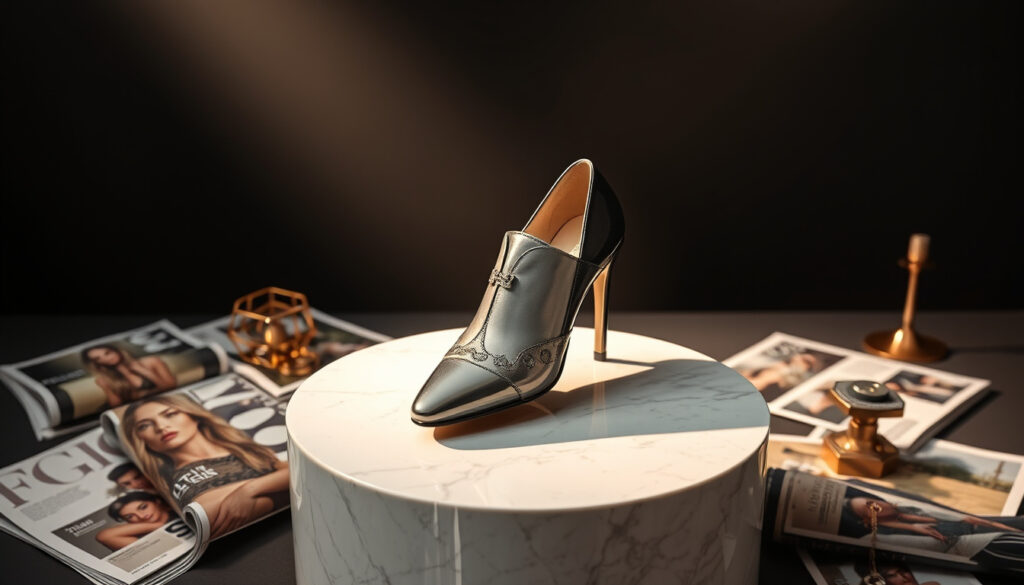
Steve Madden: Is It Luxury? Founder, Conviction & Celebrity
Few brands have a story as unexpected as Steve Madden’s – from a $1,100 investment and a factory in Queens to a publicly traded company with a convicted founder who returned to creative leadership. This article sorts out whether Steve Madden is a luxury label, what happened with that conviction, and more.
Founded: 1990 · Founder: Steve Madden · Headquarters: Long Island City, New York · Stock Ticker: SHOO (NASDAQ) · Conviction: Stock manipulation and money laundering (2002) · Current Role of Founder: Chairman and Chief Creative Officer
Quick snapshot
- Founded in 1990 with $1,100 (Steve Madden official site)
- Convicted in 2002 for securities fraud and money laundering (Britannica)
- Publicly traded on NASDAQ since 1993 (Britannica)
- Current CEO is Edward Rosenfeld (Wikipedia)
- Exact percentage of company owned by Steve Madden (not publicly disclosed)
- Whether all market analysts classify Steve Madden as luxury or mass-market
- Exact manufacturing locations for all product lines
- Breakdown of sales by product category (shoes vs. accessories vs. apparel)
- 1990: Founded by Steve Madden (Steve Madden official site)
- 2002: Convicted and sentenced to 41 months (Britannica)
- 2004: Released; returned as consultant (Britannica)
- 2005: Reinstated as creative officer (Britannica)
- Continued expansion into apparel and accessories (Steve Madden official site)
- Influencer and celebrity collaborations remain key marketing strategy (Steve Madden official site)
- International growth, especially in Middle East and Asia (Steve Madden UAE)
Seven key facts define the company’s structure and reach:
| Label | Value |
|---|---|
| Legal Name | Steve Madden Ltd. |
| Founded | 1990 |
| Founder | Steve Madden |
| Headquarters | Long Island City, New York, US |
| Stock Symbol | SHOO (NASDAQ) |
| CEO (as of 2025) | Edward Rosenfeld |
| Number of Employees | Approximately 5,000 |
Is Steve Madden a luxury brand?
Price positioning of Steve Madden
- Shoes typically range from $50 to $200, placing the brand in the contemporary or accessible tier — not the couture segment (Britannica, which describes the brand as moderately priced).
- Handbags and accessories follow a similar pricing philosophy, rarely exceeding $300 at retail.
Comparison with luxury footwear brands
Luxury houses like Gucci or Prada charge $600+ for a single pair of shoes. Steve Madden’s average pair comes in at less than $120. The gap is not just price — it’s the absence of haute couture storytelling, heritage ateliers, or limited-edition runway drops. Britannica classifies Steve Madden as an “American shoe designer,” not a “luxury fashion house.” The brand itself says it “revolutionized the shoe industry” by making trendy styles affordable — the opposite of luxury’s scarcity model (Steve Madden official site).
Brand perception and accessibility
In consumer surveys and editorial coverage, Steve Madden is grouped with brands like Nine West and Aldo — accessible fashion labels, not luxury names. Who What Wear regularly features Steve Madden in street-style roundups, not luxury shopping guides (Who What Wear).
The pattern: Steve Madden’s pricing and brand positioning place it firmly in the mass-market segment, not luxury.
Does Steve Madden still own Steve Madden?
Current ownership structure
- Steve Madden Ltd. is a publicly traded company on the NASDAQ under the ticker SHOO.
- The founder does not own the company outright. Major shareholders include institutional investors; the exact percentage held by Steve Madden is not publicly disclosed.
Role of Steve Madden after conviction
After serving 31 months of a 41-month federal sentence for stock manipulation and money laundering, Madden was released in 2004 and returned to the company as a consultant (Britannica). By 2005 he had been reinstated as creative officer. Today his official titles are Chairman and Chief Creative Officer — he controls the creative vision but not the board or capital structure.
Public company status and major shareholders
Because SHOO is a public equity, anyone can buy shares. This also means the company files quarterly reports revealing that no single individual — including the founder — holds a controlling stake. The CEO as of 2025 is Edward Rosenfeld, not Steve Madden (Wikipedia).
The catch: Steve Madden remains influential creatively but holds no ownership control over the company.
Do celebrities wear Steve Madden?
Notable celebrities seen in Steve Madden
- Cardi B has a collaboration collection with the brand (Steve Madden official site).
- Kendall and Kylie Jenner also collaborated on product lines.
- Sydney Sweeney was featured in a campaign.
- Historically, Jennifer Lopez and Taylor Swift have worn Steve Madden shoes on red carpets and in music videos.
Red carpet and event appearances
While Steve Madden is not a red-carpet luxury brand, it appears on the feet of celebrities who prefer an accessible, trend-forward look. Pop stars and influencers often wear its platform heels and chunky sneakers at award shows and performances.
Marketing and endorsement history
The brand’s marketing strategy relies heavily on celebrity and influencer partnerships rather than traditional advertising. The official site lists collaborations with “top artists and trendsetters” as a core growth driver (Steve Madden official site).
Celebrity endorsements give Steve Madden cultural visibility that rivals higher-priced competitors. For an accessible brand, this halo effect is a major competitive advantage — shoppers perceive the brand as cooler than its price point.
The implication: Steve Madden leverages celebrity associations to build an aura of fashionability without raising prices.
What was Steve Madden convicted of?
Details of the stock manipulation case
In 2002, Steve Madden was convicted of securities fraud and money laundering for his role in a kickback scheme with investment bankers. The scheme involved bribing bankers to obtain IPO shares in exchange for inflated commissions, generating illegal profits (Wikipedia). Britannica further confirms the conviction and sentence.
Trial and sentencing
He was sentenced to 41 months in federal prison and ordered to forfeit millions in proceeds. He served 31 months before release (Britannica).
Impact on the company
During his incarceration, Steve Madden Ltd. continued operating with Madden remaining as creative and design chief from prison. The company’s revenues actually grew during that period — the brand had enough momentum to survive its founder’s absence. Upon release, he was gradually reintegrated into leadership (Britannica).
The conviction is often cited as a “comeback” narrative, but it also underscores the founder’s willingness to gamble the company’s reputation. For investors and risk-conscious consumers, this history is a red flag against an otherwise feel-good story.
The catch: The conviction adds a layer of risk to the brand’s narrative that buyers and investors should consider.
Are you happy to be wearing Steve Madden?
Customer satisfaction and reviews
Customer sentiment is generally positive for style and price value. Review platforms note that users appreciate the trendy designs at accessible prices. However, some complaints center on durability — certain sneaker and heel models show wear within a few months.
Comfort and durability feedback
The brand’s shoes are not typically recommended for all-day walking; they are fashion-first rather than comfort-first. A common pattern: high marks for aesthetics, lower marks for longevity.
Brand loyalty and repeat purchases
Among younger consumers (Gen Z and Millennials), Steve Madden enjoys high repeat purchase rates. The combination of frequent new styles and affordable price points encourages regular visits to the website or store. The official site frames this as a “revolution in how women buy shoes” (Steve Madden official site).
For the price, Steve Madden delivers on-trend looks that refresh every few weeks — but durability and comfort lag behind more expensive options. The buyer’s choice: fashion now vs. longevity later.
The trade-off: Steve Madden customers must decide between trendiness and durability, as the brand prioritizes style over long-term wear.
Timeline: Steve Madden’s journey
- 1990 – Company founded with $1,100 from a factory in Queens, New York (Steve Madden official site)
- 1993 – Goes public on NASDAQ as SHOO (Britannica)
- 2002 – Steve Madden convicted of stock manipulation and money laundering; sentenced to 41 months (Britannica)
- 2004 – Released from prison after 31 months; returns as consultant (Britannica)
- 2005 – Reinstated as creative officer (Britannica)
- 2010s – Expands into handbags, apparel, and international markets
- 2020s – E-commerce and influencer marketing drive continued growth (Steve Madden official site)
What’s confirmed and what’s not
Confirmed facts
- Steve Madden was convicted of stock manipulation and money laundering in 2002 (Wikipedia)
- Steve Madden is currently Chairman and Chief Creative Officer (Britannica)
- The company is publicly traded since 1993 (Britannica)
- Founded in 1990 with $1,100 (Steve Madden official site)
What remains unclear
- Exact percentage of company owned by Steve Madden (not publicly disclosed)
- Whether Steve Madden is considered a luxury brand by all market analysts
- Manufacturing location details for most product lines
- Sales breakdown by product category (shoes vs. accessories)
Perspectives on the brand
“Steve Madden, American fashion designer and businessman who founded the footwear and accessories company Steve Madden.”
Britannica
“In 2002, Madden was convicted of securities fraud and money laundering for his role in a scheme involving bribing investment bankers.”
Wikipedia
The Steve Madden story is one of ambition, controversy, and resilience — but not one of luxury. The brand succeeds by offering style-forward footwear at accessible prices, powered by celebrity endorsements and a founder who regained creative control after prison. For the typical American consumer looking for trendy shoes under $150, Steve Madden delivers what it promises. For anyone expecting prestige craftsmanship or exclusivity, the clear implication is: look elsewhere. The trade-off between fashion and durability means buyers must decide what matters more — this season’s look or lasting wear.
scribd.com, etriasbrands.com, en.wikipedia.org, scribd.com, facebook.com, instagram.com, twoten.org
Frequently asked questions
What is Steve Madden’s net worth?
Exact net worth is not publicly confirmed, but Forbes and other outlets estimate it in the tens of millions, based on his stock holdings and brand royalties.
Where are Steve Madden shoes manufactured?
Production is primarily in China, Vietnam, and India — standard for mid-range footwear brands — though the company does not publicly disclose individual factory locations.
How to clean Steve Madden sneakers?
Use a mild soap and water solution with a soft brush. Avoid machine washing or harsh chemicals to preserve the finish. Check the care label inside each shoe.
Does Steve Madden offer men’s shoes?
Yes, the brand has a men’s line that includes sneakers, boots, and dress shoes, though the core customer base remains women.
What is the return policy for Steve Madden purchases?
Standard policy allows returns within 45 days of purchase in original condition with receipt. Final sale items are non-returnable.
Are Steve Madden shoes true to size?
Most styles run true to size, but some heel styles may run slightly small. Customer reviews recommend checking specific product reviews for fit guidance.
Who designed the Steve Madden logo?
The logo was designed by the founder himself in the early days — a simple lowercase wordmark that has remained largely unchanged.
When did Steve Madden release his first shoe?
The first shoe, a platform style, was released in 1990 shortly after the company’s founding.
Related reading: Converse High Tops: Podiatrist Guide & Comfort Solutions · Ray Ban Sunglasses: Prices, Worth, Durability & Where to Buy in Ireland
More related posts
 Chemist Warehouse Hamilton: Contact, Hours, and Location
 GME Share Price Today: Live Updates, News & Analysis
 Caitriona Balfe: Biography, Age, Height, Net Worth, Outlander
 Cold and Flu Tablets: Best Options & Dosage
 Eartha Kitt: Biography, Ethnicity, Accent, Death & Daughter
 Sony Cyber Shot – History, Best Models and Availability
 Clare McCann Cryogenic Fundraiser After Son’s Suicide
 Devanti Ice Maker – Usage, Troubleshooting and Specs