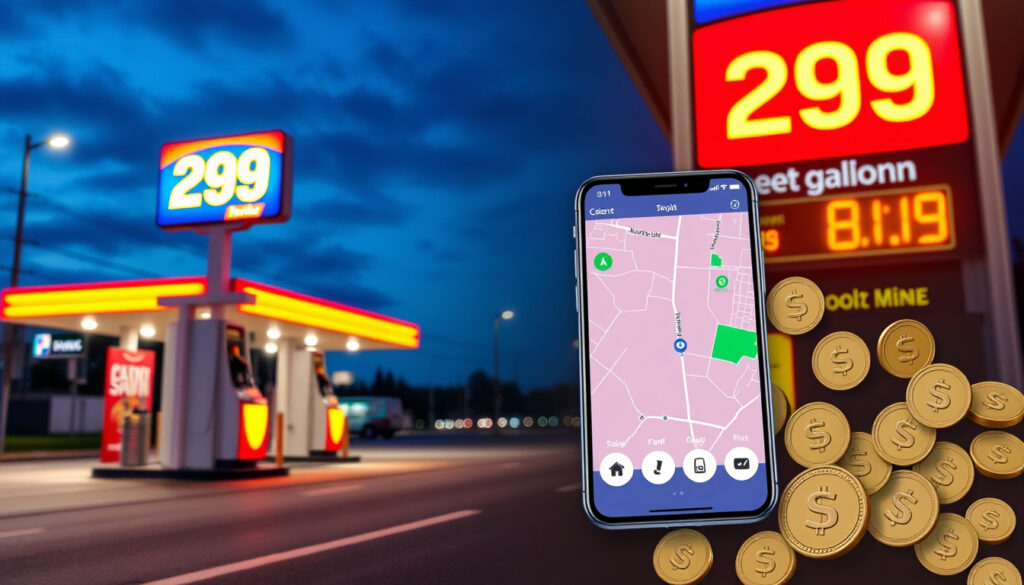
Cheapest Fuel Near Me – Best Apps and Savings Tips
Finding affordable fuel in your area requires knowing which tools and strategies actually deliver savings. With gas prices fluctuating daily and regional variations reaching as much as 50 cents per gallon between neighboring stations, relying on outdated information can cost drivers significant money over time. This guide covers the most effective methods for locating the lowest fuel prices, compares the leading apps and tools, and provides practical tips for maximizing your savings at the pump.
Crowd-sourced pricing platforms have transformed how drivers find cheap gas, combining real-time user reports with aggregated business data. However, the accuracy and coverage of these tools varies considerably, and understanding their strengths and limitations helps consumers make informed decisions about where to fill up. Whether you prefer dedicated fuel-finding apps or navigation tools with built-in gas price layers, there are options available for every type of driver.
How Do I Find the Cheapest Gas Near Me?
Locating the lowest-priced fuel in your immediate vicinity involves combining mobile apps, navigation tools, and an understanding of local pricing patterns. The most effective approach starts with downloading at least one dedicated fuel-price app and enabling location services to receive personalized results based on your exact position.
GasBuddy remains the most widely used platform for finding nearby fuel prices, offering user-reported data across thousands of stations in the United States and Canada. The app allows searches by price, location, or amenities, and its community-driven model means prices update frequently as drivers report their fills. For those seeking additional savings, the GasBuddy+ Mastercard provides guaranteed discounts ranging from 3 cents per gallon at standard stations up to 50 cents during promotional Flash Deals.
The following table summarizes how each major platform performs across key criteria for drivers seeking the best prices.
| Method/App | Average Savings | Update Frequency | Coverage |
|---|---|---|---|
| GasBuddy | 3¢–50¢/gallon | Real-time (user-reported) | USA & Canada |
| Google Maps | Varies | User-reported | Widespread |
| Upside | 10–20% cashback | Real-time | USA |
| AAA Gas Price Monitor | Reference only | Daily | State/County level |
| Waze | Varies | Live (crowd-sourced) | Widespread |
Understanding the factors that drive local price differences helps explain why neighboring stations can vary so significantly. Crude oil markets, regional taxes, transportation costs, station overhead, and local supply-demand balance all influence what drivers pay at any given location. Apps that aggregate user reports capture these variations in real time, though no single tool provides perfect coverage of every station in every area.
- Crowd-sourced apps offer the most accurate local pricing data because they rely on actual driver submissions rather than static business listings.
- Prices at individual stations can fluctuate by 10 to 20 cents per hour during periods of high demand or supply disruption.
- Cashback programs and loyalty cards can add an additional 10 to 20 percent savings on top of listed prices.
- Independent stations and membership-based clubs like Costco frequently undercut major chain prices due to lower overhead costs.
- Cross-checking multiple apps before committing to a station helps ensure you have the most current information available.
- Factoring in the fuel consumed to reach a distant station prevents accidental losses from drive-time expenses.
- Reporting your own fills to fuel apps contributes to community accuracy and often unlocks additional rewards.
| Key Factor | Impact on Local Prices |
|---|---|
| Crude Oil Markets | Global benchmark prices set baseline costs |
| Regional Taxes | State and local taxes add $0.10–$0.50/gallon |
| Station Type | Indie stations often 3–10¢ cheaper than chains |
| Supply and Demand | Rush hours and weekends drive temporary spikes |
| Transportation Costs | Rural areas may have higher delivery costs |
| Membership Overhead | Costco and similar clubs offset costs via memberships |
What Is the Best App for Finding Cheap Gas?
Selecting the optimal fuel-finding application depends on your priorities, whether those involve maximum savings, real-time accuracy, integrated navigation, or a combination of features. Each major platform offers distinct advantages that appeal to different types of drivers.
GasBuddy: Most Comprehensive Coverage
GasBuddy distinguishes itself as the most popular choice for drivers searching nearest or cheapest gas options. The platform covers both Android and iOS devices and relies entirely on user-reported prices to maintain its database. This crowd-sourced approach means the service updates continuously as drivers submit their fills, though it also means accuracy depends on active community participation.
The platform offers a premium tier called GasBuddy+ that guarantees minimum savings of 20 cents per gallon at participating stations, with select locations offering up to 50 cents per gallon during Flash Deals. The accompanying Mastercard provides baseline savings of 3 cents per gallon at most stations, increasing to 5 cents at select locations and up to 33 cents during promotional events. An additional 3 cents per gallon applies for every $25 spent on non-fuel purchases using the card.
For users seeking to understand regional price patterns or plan longer trips, GasBuddy also provides historical price trends and station amenities information including restroom availability and convenience store features.
Upside: Cashback Rewards Focus
Upside takes a different approach by focusing primarily on cashback rewards that apply to gas purchases alongside groceries and restaurant meals. The platform compares local prices and allows users to claim savings after filling up, with payouts available through gift cards, PayPal transfers, or direct bank deposits. One consideration for drivers is that stations featured on Upside may charge slightly higher upfront prices compared to the absolute cheapest options in an area, though the cashback rewards typically offset this difference.
Navigation-Integrated Options
Both Waze and Google Maps include gas station search functionality that displays nearby options with prices per gallon and fuel types. While neither platform offers dedicated price sorting, they provide the convenience of navigation integration, allowing drivers to tap a station and receive immediate directions. Google Maps additionally defaults to fuel-efficient routes when available, potentially reducing overall consumption for drivers making frequent trips.
AAA Gas Price Monitor serves a different purpose by providing authoritative daily averages at the state and county level rather than station-specific real-time data. The platform includes a trip cost calculator that helps drivers evaluate whether driving to a cheaper station in another area actually results in net savings after accounting for the extra distance required.
No single fuel-finding app provides perfect accuracy at all times. Crowd-sourced platforms like GasBuddy work best when community participation is high in your area, while AAA data offers dependable daily benchmarks for trip planning even though it lacks station-level real-time updates. Cross-referencing two or more sources before heading to a specific station represents the most reliable strategy.
Is GasBuddy Accurate for Gas Prices?
GasBuddy and similar crowd-sourced platforms derive their pricing data from user submissions, which means accuracy varies based on community activity levels in different regions. In densely populated areas with active user bases, reported prices tend to reflect actual pump prices within a few cents. More rural or less engaged communities may experience longer delays between price changes and user reports, sometimes extending 15 to 30 minutes or longer.
The platform itself acknowledges this limitation and actively encourages users to report prices after filling up. Drivers who contribute their own data help improve overall accuracy for their community while often earning rewards or credits toward premium features. This reciprocal model benefits both individual users and the broader GasBuddy community.
For planning purposes, AAA Gas Price Monitor provides more reliable benchmarks because it aggregates official data rather than relying on individual submissions. However, this reliability comes at the cost of immediacy, as daily updates cannot capture the rapid price fluctuations that occur throughout any given day. Drivers facing urgent refueling decisions may prefer the real-time nature of crowd-sourced platforms despite their minor accuracy caveats.
The most effective approach combines multiple sources. Using a dedicated fuel app for real-time station-level data while periodically consulting AAA averages for broader market context helps drivers develop a comprehensive understanding of local pricing. Those seeking maximum savings should consider enabling deal alerts and notifications within their chosen app to receive instant alerts when particularly favorable prices appear nearby.
Factors Affecting Price Update Speed
Several variables influence how quickly prices reflect on crowd-sourced platforms. Station location plays a significant role, with high-traffic areas typically showing faster updates due to increased driver submissions. Time of day matters as well, since morning and evening rush hours bring more drivers through stations and thus more frequent reports. Station ownership may also affect update frequency, as some chains update prices across all locations simultaneously while independent stations adjust based on individual market conditions.
Always verify displayed prices before committing to a specific station, especially when comparing significantly lower options. A reported price that seems too good to be true may reflect outdated information, a recently concluded promotion, or a station with limited fuel grades. Confirming prices upon arrival prevents wasted trips and ensures accurate budgeting.
Does Costco or Chains Have the Cheapest Gas?
The question of whether membership-based clubs or traditional chain stations offer better fuel prices depends largely on location, membership status, and individual driving habits. Costco, Sam’s Club, and similar warehouse retailers frequently advertise lower fuel prices than surrounding stations, with savings sometimes reaching 10 to 20 cents per gallon compared to nearby competitors.
These lower prices stem from the business model’s efficiency: warehouse clubs operate on thin margins for fuel sales because the primary revenue comes from memberships rather than individual transactions. However, accessing these savings requires a valid membership, and the time cost of visiting a separate location may offset gains for some drivers. Additionally, warehouse club stations typically offer fewer locations than major chains, meaning they may not be conveniently accessible for all drivers.
Independent Stations Versus Major Chains
Independent fuel stations often provide prices competitive with or below major chains because they carry lower overhead costs. Without corporate branding requirements, extensive marketing budgets, or franchise fee structures, independent operators can pass savings directly to customers. GasBuddy’s database helps locate these independent options, which might otherwise be overlooked in favor of more visible chain stations.
Major chains compensate for potentially higher base prices through loyalty programs, credit card partnerships, and promotional campaigns. GasBuddy+ and similar premium memberships can bring per-gallon savings at chain stations on par with or exceeding independent options, particularly during special promotional periods. Drivers who frequently fill at the same chain location may find that accumulated loyalty rewards justify choosing that station over a cheaper but unfamiliar independent option.
Combining membership club pricing with app-based cashback represents the most effective strategy for maximizing fuel savings. Using Upside at a Costco station, for example, layers the warehouse club’s already-competitive base price with additional cashback rewards, though this requires confirming that the station accepts both programs simultaneously.
Recent Trends in Fuel Pricing
Fuel markets have experienced notable volatility in recent years, with supply-demand dynamics, geopolitical factors, and seasonal demand patterns all contributing to price fluctuations. Current reports indicate that gas prices are trending upward, driven by tightening global supply and increased seasonal demand as warmer weather encourages more driving activity.
- Past 24 hours: Prices at most stations remained stable with minor fluctuations of 2 to 5 cents per gallon in either direction based on local demand patterns.
- Weekly trends: Regional averages shifted upward by approximately 3 to 8 cents per gallon as crude oil benchmarks increased following production adjustment announcements.
- Monthly context: Prices have risen roughly 12 to 15 cents compared to the same period last year, reflecting sustained upward pressure on global fuel markets.
- Recent spikes: Isolated price surges occurred in areas affected by refinery maintenance schedules or pipeline interruptions, with some regions experiencing temporary 20-cent spikes that normalized within days.
- Regional variations: Coastal states continue to experience higher averages than heartland regions, with the differential sometimes exceeding 50 cents per gallon between states.
The Energy Information Administration (EIA) provides official data on national and regional fuel price movements, serving as a reliable benchmark for understanding broader market trends. AAA’s daily monitoring offers complementary regional and state-level averages that help drivers contextualize local prices against wider patterns.
What Drivers Can Confirm Versus What Remains Unclear
Understanding which aspects of fuel pricing are well-established versus which involve ongoing uncertainty helps drivers set realistic expectations when using price-finding tools.
| Established Information | Information That Remains Unclear |
|---|---|
| Dedicated fuel apps update at least every few minutes in active areas. | Precise timing of when any individual station changes prices. |
| Membership clubs typically offer lower base prices than surrounding stations. | Whether specific promotional periods will continue or end soon. |
| User-reported prices may lag actual pump prices by 15–30 minutes in some areas. | Whether savings from switching stations exceed the cost of the trip in every case. |
| Cashback apps can add 10–20% additional savings on top of base prices. | Long-term price forecasts beyond a few weeks due to market volatility. |
| Crude oil prices, taxes, and station type all significantly affect local pump prices. | How emerging EV infrastructure might reshape traditional fuel pricing over coming years. |
| Cross-checking multiple sources improves decision-making accuracy. | Whether current high-price periods will normalize before summer driving season. |
Understanding What Drives Local Fuel Prices
Fuel pricing at any given station reflects a complex interplay of global, regional, and local factors that combine to determine what drivers pay at the pump. Crude oil serves as the foundation, with international benchmark prices influencing domestic costs through futures markets and supply contracts. These global factors respond to production decisions by major oil-producing nations, geopolitical developments, and broader economic conditions.
Taxation represents a substantial component of final pump prices, with federal, state, and local taxes adding varying amounts depending on jurisdiction. Some states tax fuel more heavily than others, creating baseline price differences that can exceed 30 cents per gallon between neighboring states. These tax revenues fund highway maintenance, infrastructure projects, and general government operations.
Station-level factors including rent, staffing, credit card processing fees, and convenience store sales also influence pricing decisions. Stations in high-traffic commercial areas typically charge more to cover elevated real estate costs, while rural stations may price higher to compensate for lower transaction volumes. The presence or absence of competition in a given area affects pricing as well, with monopolized markets often showing higher prices than areas with multiple competing stations.
The transition toward electric vehicles introduces additional uncertainty into long-term fuel pricing projections. As EV adoption accelerates, traditional fuel demand may decline, potentially affecting refinery capacity and distribution networks. How these structural changes will ultimately impact prices for drivers who continue operating gasoline-powered vehicles remains an active area of analysis among industry observers.
Expert Perspectives and Authoritative Sources
Several organizations provide reliable fuel pricing data and analysis that drivers can consult alongside app-based tools. The United States Energy Information Administration publishes official petroleum pricing data including national and regional averages, weekly price movements, and supply-demand statistics. This government data serves as a neutral benchmark for understanding broader market conditions.
AAA’s ongoing monitoring confirms that fuel prices can vary substantially even within the same zip code, depending on station ownership, local competition, and recent price adjustment decisions by individual retailers.
AAA maintains its Gas Price Monitor as a free resource tracking daily average prices across states and counties, providing reliable context for drivers planning trips or evaluating local prices. The organization’s trip cost calculator helps quantify whether driving to a lower-priced station actually results in net savings after accounting for additional fuel consumed during the journey.
The Department of Energy’s Fuel Economy website offers resources for comparing vehicle efficiency and calculating estimated fuel costs for trip planning purposes. These tools complement real-time pricing apps by helping drivers understand their vehicles’ consumption patterns and budget accordingly.
Actionable Steps for Finding Cheaper Fuel
Drivers seeking to minimize fuel expenses can implement several practical strategies that leverage available tools and understanding of pricing dynamics. The most effective approach combines technology, timing, and awareness of local market conditions.
Begin by downloading at least one dedicated fuel-price application and enabling precise location services to receive accurate nearby results. GasBuddy’s combination of coverage, real-time updates, and optional premium savings makes it a strong starting point for most drivers. Enabling notifications within the app alerts you to Flash Deals and significant price changes in your area.
Consider adding a second app for cross-referencing, particularly if you frequently travel between different areas. Upside provides cashback rewards that complement price-based savings regardless of which station you choose. AAA’s Gas Price Monitor serves as a reliable daily reference for understanding whether local prices are relatively high or low compared to regional averages.
Factor the drive distance into your savings calculation. A station offering 10 cents per gallon less costs more than it saves if reaching it requires driving five extra miles round trip. Use the trip cost calculator tools available through AAA and some fuel apps to confirm that the savings justify the detour.
Report your own fills to whichever app you use most frequently. This contribution improves data accuracy for your entire community while often earning rewards or unlocking additional features. Active user communities maintain more accurate pricing databases, benefiting everyone who relies on these tools.
Monitor prices weekly rather than only when refueling. Understanding typical price patterns in your area helps you recognize when current prices are relatively high or low, informing decisions about whether to fill up immediately or wait for a potentially better opportunity.
Frequently Asked Questions
How often do gas prices change near me?
Prices at most stations fluctuate at least several times per week, with high-traffic locations potentially adjusting daily or multiple times within a single day during periods of rapid market change.
Are independent stations cheaper than chains?
Independent stations frequently offer lower base prices than major chains due to reduced overhead costs, though chain stations may match or exceed independent savings when promotional programs or premium memberships apply.
What app shows real-time gas prices most accurately?
GasBuddy generally provides the most current user-reported data, with accuracy depending on community participation levels in your specific area. Cross-checking multiple apps improves reliability.
Does Costco always have the cheapest gas?
Costco typically offers competitive fuel prices, often 10 to 20 cents below surrounding stations, but not universally the cheapest option. Independent stations and promotional periods at other locations may occasionally beat warehouse club pricing.
How can I get cheaper fuel nearby?
Combining a fuel-price app for locating cheap stations with a cashback app like Upside maximizes savings. Reporting your own fills, timing purchases for lower-demand periods, and considering membership clubs all contribute to reduced fuel expenses.
Is GasBuddy reliable for finding the cheapest station?
GasBuddy reliably sorts stations by reported price and offers premium savings options, though user-reported data may occasionally lag actual prices by 15 to 30 minutes in less active areas. Verification upon arrival provides the most accurate confirmation.
What factors affect local fuel prices most?
Crude oil markets, regional and federal taxes, station type and overhead, local competition, and supply-demand balance all significantly influence what drivers pay at any specific location.
More related posts
 Katherine Ross: Bio, Movies, Marriage to Sam Elliott
 Meeka Metals ASX (MEK): Stock Overview and Investment Insights
 The Palms at Crown: Guide to Events, Dress Code & Capacity
 SIA Medical Centre: Locations, Services & Bulk Billing
 Wes Share Price – Live ASX Quote, Charts and Analysis
 Roisin Gallagher: Biography, Age, TV Shows & Personal Life
 Xabi Alonso: Ireland, Real Madrid, Liverpool & Chelsea Manager
 Kmart Bath Mat – Australia’s Limited Options Analyzed