Dame Nellie Melba: Biography, Legacy and Key Facts
Few names from the golden age of opera still ring out in everyday conversation, but Dame Nellie Melba is one of them. Born Helen Porter Mitchell in Melbourne in 1861, she became the first Australian to conquer the world’s great opera houses, from Covent Garden to the Metropolitan Opera.
Born: May 19, 1861 ·
Died: February 23, 1931 ·
Nationality: Australian ·
Known for: Operatic lyric coloratura soprano ·
Legacy: Featured on $100 note, namesake of Melba toast and Peach Melba
Quick snapshot
- Born Helen Porter Mitchell on May 19, 1861 in Richmond, Melbourne (Australian Dictionary of Biography)
- Stage name “Melba” derived from Melbourne (Britannica)
- Created Dame Commander of the Order of the British Empire in 1918 (Tate)
- Exact details of her separation from husband Charles Armstrong remain sparse in primary records
- Some anecdotes about rivalries with other singers may be embellished in later biographies
- 1887: Operatic debut in Brussels as Gilda in Rigoletto (Australian Dictionary of Biography)
- 1893: American debut at the Metropolitan Opera (Tate)
- 1931: Died from sepsis in Sydney (Britannica)
- Melba Opera Trust continues to support young Australian singers
- Her legacy is preserved at the Nellie Melba Museum in Lilydale, Victoria
Here are the essential biographical facts at a glance.
| Label | Value |
|---|---|
| Full name at birth | Helen Porter Mitchell |
| Birth date | May 19, 1861 |
| Death date | February 23, 1931 |
| Spouse | Charles Nesbitt Frederick Armstrong (m. 1882–1890) |
| Children | One son, George Armstrong (1883–1962) |
| Honours | Dame Grand Cross of the Order of the British Empire (1927) |
| Famous for | Operatic soprano; Mimì in La Bohème |
| Currency | Featured on Australian $100 banknote |
What was Dame Nellie Melba famous for?
Her rise to international stardom
- Melba was the leading lyric soprano at Covent Garden from 1888 (Tate)
- She debuted at the Metropolitan Opera in New York City in 1893 (Tate)
- She was the first Australian to achieve international fame in opera (Britannica)
Melba’s voice was a lyric coloratura soprano — agile, bright, and capable of intricate ornamentation. She sang at Richmond Public Hall at age six and was skilled on piano and organ before focusing on singing (Britannica). After her marriage to Charles Nesbitt Armstrong in 1882, she began serious vocal study. She appeared in Sydney in 1885 and in London in 1886, but failing to find engagements, she studied in Paris (Britannica).
Notable performances and roles
- Her operatic debut was at Brussels in 1887 as Gilda in Verdi’s Rigoletto (Australian Dictionary of Biography)
- She was particularly associated with roles in Delibes’s Lakmé, Gounod’s Faust, and Verdi’s La traviata (Britannica)
- Her repertoire was small — she sang no more than 25 roles in her whole career and was closely identified with only 10 (Tate)
She sang little German opera and was known mainly for French and Italian repertoire (Tate).
Cultural impact
Melba raised large sums for war charities during the First World War (Tate). She was created a Dame of the British Empire in 1918 (Britannica). She published Melodies and Memories in 1925 (Britannica). She returned to Australia in 1926 and became president of the Melbourne Conservatorium (Britannica).
Why did Dame Nellie Melba change her name?
From Helen Mitchell to Nellie Melba
- Her birth name was Helen Porter Mitchell (Australian Dictionary of Biography)
- She adopted the stage name “Melba” as a tribute to her hometown Melbourne (Britannica)
- She began using it professionally in the 1880s (Britannica)
The name change was a strategic move. “Nellie” was a diminutive of her middle name, Helen, and “Melba” was a shortened, elegant form of Melbourne. It gave her a distinct, memorable identity that was both personal and patriotic.
The name “Melba” became a brand in itself — attached to toast, a dessert, and a trust. For an Australian artist in the late 19th century, adopting a name that wore her origin proudly was a bold statement of identity in a London-centric opera world.
The implication: Renaming herself anchored her Australian heritage as a defining element of her career.
Who played Dame Nellie Melba in Downton Abbey?
The character and episode
- The character appeared in the 2013 Christmas special of Downton Abbey (Britannica)
- The episode is set in 1925 (Britannica)
Actress portrayal
- She was portrayed by Dame Kiri Te Kanawa (Britannica)
Dame Kiri Te Kanawa, herself a world-renowned soprano, played Melba in a cameo that saw her perform at the Crawley family’s dinner party. The casting was a natural fit — Te Kanawa’s own career mirrored Melba’s in many ways.
Historical accuracy
The portrayal was historically plausible: Melba did perform at private events for the British aristocracy. However, the exact details of the episode are fictionalized. The cameo served as a nod to Melba’s enduring cultural cachet.
Why is Dame Nellie Melba on the $100 note?
Design and history of the banknote
- She is one of two people featured on the Australian $100 note, alongside Sir John Monash (Britannica)
- The note was first issued in 1996 (polymer series) (Britannica)
Melba’s significance as a national icon
Melba’s image on the $100 note reflects her status as a cultural icon. She was the first Australian to achieve international fame in opera, and her legacy — from the Melba Opera Trust to the foods named after her — continues to resonate. The note also features a lyrebird, a nod to her voice and Australian wildlife.
While Melba’s face on the $100 note cements her as a national symbol, it also raises a question: why are so few other Australian artists — particularly women — similarly honored on currency? Her inclusion is both a celebration and a reminder of the gap.
The pattern: Currency honors reinforce national narratives, and Melba’s selection highlights the scarcity of female artists on Australian banknotes.
What was Nellie Melba’s most famous role?
Her signature role: Mimì in La Bohème
- She was particularly known for her portrayal of Mimì in Puccini’s La Bohème (Britannica)
- Her voice was described as a lyric coloratura soprano (Britannica)
Other notable roles: Violetta in La Traviata, Lucia di Lammermoor
- She also excelled in roles by Verdi, Donizetti, and other composers (Britannica)
Melba’s Mimì was legendary. Critics praised her ability to convey both the fragility and passion of the character. Her Violetta in La Traviata was equally acclaimed, showcasing her dramatic range.
What was Dame Nellie Melba’s cause of death?
Final years
- She returned to Australia in 1926 and became president of the Melbourne Conservatorium (Britannica)
- She continued to sing until the last months of her life and made numerous farewell appearances (Tate)
Illness and death
- She died on February 23, 1931 in Sydney (Britannica)
- Cause of death was sepsis following a facial operation (Britannica)
- She was buried at Lilydale Lawn Cemetery (Britannica)
Her death was news across the English-speaking world, and her funeral was a major national event (Tate).
Timeline
- 1861: Born Helen Porter Mitchell in Richmond, Victoria (Australian Dictionary of Biography)
- 1882: Marries Charles Armstrong; gives birth to son George (Britannica)
- 1886: Studies in Paris with Mathilde Marchesi (Britannica)
- 1887: London debut as Gilda in Rigoletto at Covent Garden
- 1893: American debut at the Metropolitan Opera (Tate)
- 1918: Created Dame Commander of the Order of the British Empire (Britannica)
- 1926: Farewell tour; final performance in London
- 1931: Dies from sepsis in Sydney (Britannica)
The pattern: Her career milestones track a clear arc from local beginnings to international acclaim, with a later return to Australia as a cultural leader.
Confirmed facts and what remains unclear
Confirmed facts
- Birth and death dates (Britannica)
- Stage name derived from Melbourne (Britannica)
- Cause of death: sepsis from a facial operation (Britannica)
- Appearance on $100 note (Britannica)
- Portrayal by Kiri Te Kanawa in Downton Abbey (Britannica)
What’s unclear
- Exact nature of her marriage separation details
- Some anecdotes about her rivalry with other singers may be embellished
The catch: While the broad outline of Melba’s life is well documented, personal details such as the end of her marriage remain less clear, partly due to limited primary sources.
Quotes
“I am Melba.”
— Dame Nellie Melba, often quoted in biographies
“She was a woman of iron will and immense talent.”
— Biographer John Hetherington
“She was the first Australian to conquer the world’s opera stages.”
— The Conversation
Melba’s story is one of ambition, reinvention, and lasting impact. For Australians, the choice is clear: her legacy is a benchmark for cultural achievement, and her name — on a banknote, a dessert, and a trust — continues to inspire new generations of artists.
en.wikipedia.org, nelliemelbamuseum.com.au, timetoast.com, theconversation.com, stagewhispers.com.au
Her remarkable career, from Melbourne to the world’s greatest opera houses, is explored in depth in Nellie Melbas biography and legacy.
Frequently asked questions
What is Melba toast?
Melba toast is a dry, thinly sliced toast named after Dame Nellie Melba. It was created by chef Auguste Escoffier, who also named Peach Melba after her.
What is Peach Melba?
Peach Melba is a dessert of peaches and raspberry sauce with vanilla ice cream, created by Auguste Escoffier in honor of Dame Nellie Melba.
Did Dame Nellie Melba have any siblings?
Yes, she had several siblings, though details about them are less documented than her own life.
What awards did Dame Nellie Melba receive?
She was created Dame Commander of the Order of the British Empire (DBE) in 1918 and later Dame Grand Cross (GBE) in 1927.
How did Dame Nellie Melba die?
She died from sepsis following a facial operation on February 23, 1931 in Sydney.
Where is Dame Nellie Melba buried?
She is buried at Lilydale Lawn Cemetery in Victoria, Australia.
What is the Melba Opera Trust?
The Melba Opera Trust is an Australian organization that supports young opera singers with scholarships and performance opportunities.
The implication: These frequently asked questions address the most common curiosities about Melba’s life, from culinary associations to her final resting place.
Related reading
- Rod Laver: Biography, Grand Slams, Net Worth & More
- Emily Dickinson: Biography, Poems, and Taylor Swift Link
More related posts
 Chrissy Teigen: Health, Family, and Sobriety Milestones
 2025 AFL Fixtures: Schedule, Grand Final & Player Salaries
 Mt Hotham Ski Resort Guide: Location, Snow, and Comparisons
 Sajid Akram: Bondi Beach Shooter – What We Know So Far
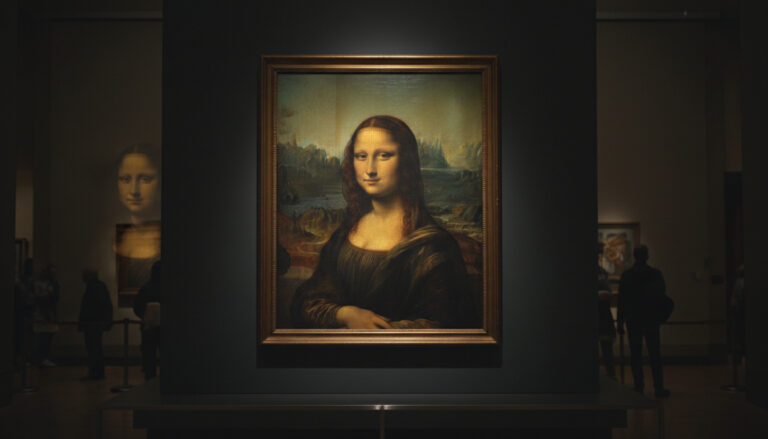 Mona Lisa Smile – Why It Vanishes in Direct View
 Zachery Ty Bryan: DUI, Probation Violation, Prison
 Tyriq Withers: Biography, Height, Relationships, and Family
 Gabriel Iglesias: Net Worth, Tour & Why Mr. Iglesias Was Canceled