British Racing Green – Origins, Evolution and Legacy
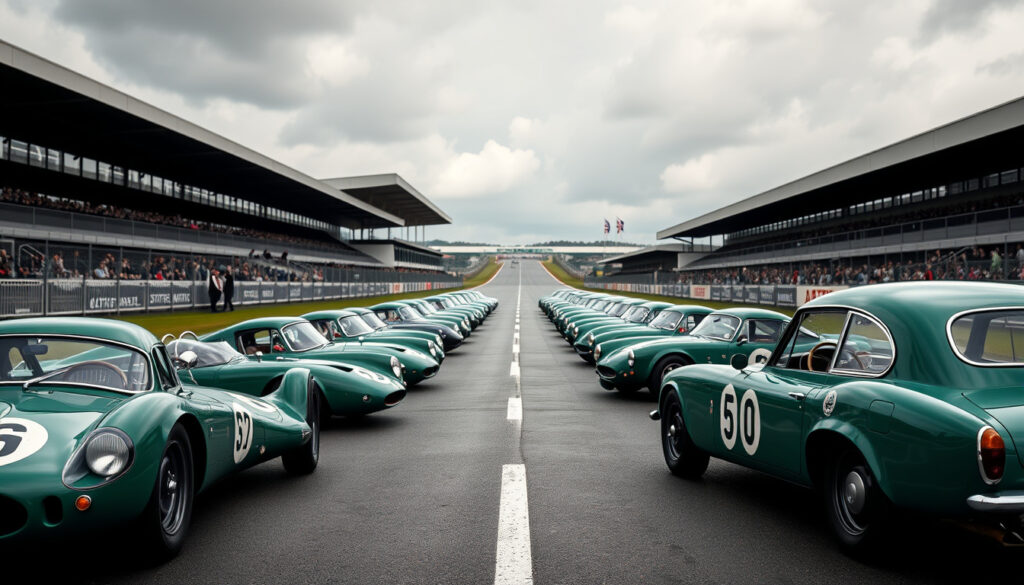
British racing green stands as one of motorsport’s most recognizable colors, a deep emerald shade that has defined British racing heritage for over a century. This distinctive hue originated from international competition rules in the early 1900s, when national racing colors were established to help spectators identify competing countries. The color has since transcended its competitive origins to become a symbol of automotive sophistication, gracing everything from Le Mans-winning Jaguars to contemporary luxury vehicles.
Unlike modern racing liveries driven by sponsorships, British racing green emerged from necessity and tradition. When countries claimed specific colors for their national identification, Britain needed its own shade for international competition. The solution would eventually become one of motorsport’s most enduring visual signatures. Today, while no single official specification exists, the color remains closely associated with British automotive excellence and racing heritage.
This guide examines the origins, specifications, and lasting influence of British racing green across motorsport and automotive culture. From its first appearance in the Gordon Bennett Trophy to its presence on modern production cars, the color continues to represent a unique blend of competitive history and design prestige.
What Is British Racing Green?
British racing green is the official national racing color of the United Kingdom, designated for use by British competitors in international motorsport events. The designation came through the FIA’s predecessor organization, which codified national colors for grandes épreuves—major international racing events—during the early twentieth century. This system ensured that spectators could readily identify which country each car represented during races.
The color itself typically manifests as a dark green, though significant variation exists across different eras and manufacturers. Early implementations leaned toward lighter olive and shamrock tones, while later periods saw deeper emerald and forest greens become more prevalent. This variation stems from manufacturer discretion in paint formulation, as no single universal specification was ever mandated.
Key Insights
- British racing green is not a single standardized shade—manufacturers historically exercised paint formulation discretion, creating variations from light olive to deep emerald
- The color became permanently associated with British motorsport success following Jaguar’s consecutive Le Mans victories in the mid-1950s
- Today, the color extends beyond motorsport into luxury automotive design and broader cultural applications
Historical Origins
The adoption of British racing green traces back to the Gordon Bennett Trophy in 1903, when international racing required clear national identification. France had already claimed blue, Italy claimed red, and Germany claimed white. Britain needed a distinctive color to represent its competitors on the world stage, leading to the selection of green as the official British racing hue.
The initial shade leaned toward lighter tones, reflecting the available pigments and paint technology of the era. Bentley and other early adopters helped establish the color’s association with British performance vehicles during the 1920s and 1930s, when endurance racing demanded both reliability and visual distinction.
Motorsport Heritage
The mid-twentieth century cemented British racing green’s legendary status. The Jaguar D-Type’s three consecutive victories at the 24 Hours of Le Mans from 1955 to 1957 demonstrated that British engineering could dominate the world’s most prestigious endurance race. The distinctive green livery of these cars became forever linked with competitive excellence and technical innovation.
British racing green continued to appear on Bentley’s legendary endurance racers, Aston Martin’s competition vehicles, and various other British manufacturers throughout the motorsport golden era. The color became shorthand for British performance and reliability, adorning cars that competed at Monaco, Sebring, Nürburgring, and countless other venues around the world.
Modern Applications
Today, British racing green extends far beyond the racetrack. Automotive manufacturers regularly offer the shade as a premium paint option, recognizing its heritage appeal. Jaguar continues the tradition with contemporary models finished in racing green, while Bentley and Aston Martin provide the color as part of their bespoke customization programs.
The classic car community has embraced British racing green as an essential element of authenticity. Restoration projects regularly specify period-correct green livery, and historic racing events frequently feature the color on vintage British machinery. Goodwood Motor Circuit and other heritage venues showcase these colors at various events throughout the year.
Specifications and Variations
While no single official specification exists, the color is commonly identified as a dark emerald shade around #004225 in hexadecimal. However, actual paint formulations have historically varied considerably. Manufacturers exercised significant discretion in achieving their desired finish, resulting in a spectrum ranging from lighter olive-greens to near-black forest tones.
Several factors influenced these variations. Different paint suppliers used distinct pigment combinations, environmental conditions affected final appearance, and manufacturers often tailored shades to complement specific model lines. This inconsistency, rather than weakening the color’s identity, actually reinforced its authenticity as a living tradition rather than a rigidly defined standard.
Timeline: Evolution of British Racing Green
Technical Analysis
The persistence of British racing green as a recognizable identifier stems from several technical and cultural factors. The color’s psychological impact plays a significant role—green connotes both natural elegance and competitive energy, making it suitable for luxury vehicles and racing machines alike. Its relative uniqueness in the automotive color spectrum ensures immediate recognition compared to more common shades like black, white, or silver. For a deeper dive into the historical context, explore the Air India plane crashes Ahmedabad history. Air India plane crashes Ahmedabad history
The technical composition of traditional racing green paints varied considerably. Early formulations relied on available pigments, often incorporating oil-based carriers that produced distinctive aging characteristics. Modern equivalents typically use advanced acrylic or urethane systems while mimicking historical color profiles. This balance between authentic appearance and contemporary durability makes the color practical for both collector vehicles and new production models.
Cultural Significance
British racing green occupies a distinctive position in automotive culture, representing both competitive heritage and refined British craftsmanship. The color transcends mere aesthetics, serving as a visual shorthand for a particular approach to automotive engineering—elegant, capable, and understated rather than ostentatiously flashy.
This cultural resonance has been amplified through various media representations. Films, television programs, and literary works have frequently featured racing green vehicles as symbols of British identity and engineering prowess. The color’s appearance in James Bond films, alongside other British cultural touchstones, reinforced its association with sophistication and capability.
Conclusion
British racing green remains one of motorsport’s most enduring visual signatures. From its official adoption in 1903 through Jaguar’s Le Mans victories to contemporary production vehicles, the color has maintained its association with British automotive excellence. Its evolution from competitive necessity to cultural symbol demonstrates how practical origins can transform into lasting design traditions.
The absence of a single standardized specification has only strengthened the color’s identity, allowing each era and manufacturer to interpret racing green according to their own aesthetic sensibilities while maintaining the essential character that makes the color immediately recognizable. This flexibility, combined with genuine motorsport heritage, ensures that British racing green will continue gracing vehicles and influencing design for generations to come.
Frequently Asked Questions
What is the official hex code for British racing green?
British racing green is commonly identified as approximately #004225 hex, though no official single specification exists. Actual implementations have historically varied from lighter olive tones to deeper emerald and forest greens.
Why did Britain choose green as its racing color?
Britain adopted green following the establishment of national racing colors by international competition rules in the early 1900s. The color was designated specifically for British competitors in major international racing events to help spectators identify competing nations.
Which famous cars raced in British racing green?
Several legendary vehicles have carried the color, most notably the Jaguar D-Type, which achieved three consecutive Le Mans victories from 1955-1957. Other notable examples include the Bentley Speed Six, Jaguar XK120, and various Aston Martin competition cars.
Is British racing green still used today?
Yes, British racing green continues to appear on modern production vehicles as an OEM paint option, particularly through Jaguar, Bentley, and Aston Martin. The color also remains popular in classic car restoration and has influenced broader design and fashion applications.
Did every British car race in exactly the same shade of green?
No, significant variation existed across different eras and manufacturers. Early implementations often featured lighter olive and shamrock tones, while later periods saw deeper emerald and forest greens become more common. This variation resulted from manufacturer discretion in paint formulation.
More related posts
 Dylan Alcott: Disability, Career, Family & What He Does Now
 Ligue 1 Standings – PSG Leads by One Point Over Lens
 Krusty the Clown: Real Name, Parody & Homer Link
 Chief Keef: Net Worth, Children, and Why He’s Called Sosa
 Caroline Wilson: Biography, Walkley Awards, Husband & More
 Members of the Wiggles: Original, Current Lineup & Changes
 Diesel La Torraca Age, Bio & Season 3 Growth
 Rod Laver: Biography, Grand Slams, Net Worth & More