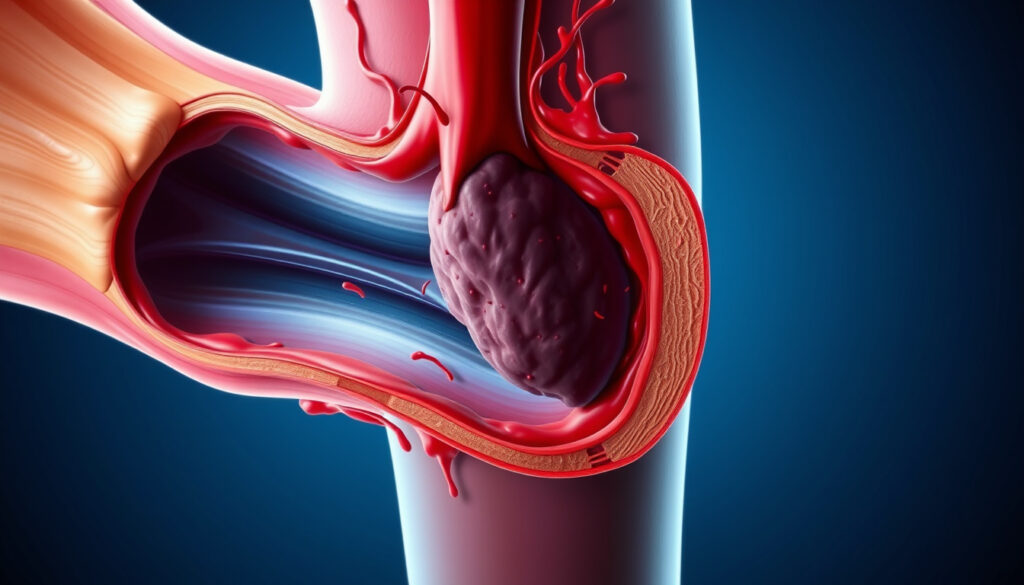
Deep Vein Thrombosis Symptoms – Key Signs and When to Act
Deep vein thrombosis develops when blood clots form in veins located deep within the body, typically in the legs. Recognizing the symptoms early can mean the difference between effective treatment and serious, potentially life-threatening complications. This condition affects thousands of people each year, yet its warning signs often go unnoticed or mistaken for less serious ailments.
Understanding what deep vein thrombosis symptoms look like—and when they require urgent medical attention—empowers individuals to seek care promptly. Medical experts emphasize that early intervention significantly reduces the risk of complications, including pulmonary embolism, which occurs when a clot travels to the lungs.
What Are the Main Symptoms of Deep Vein Thrombosis?
Deep vein thrombosis symptoms typically manifest in one limb, most commonly the lower leg. The affected area may display several characteristic signs that distinguish this condition from everyday muscle strain or minor injury.
Overview Grid: Recognizing DVT Warning Signs
One limb becomes visibly larger than the other, often starting subtly in the ankle or foot.
Discomfort that begins in the calf, resembling a pulled muscle that persists despite rest.
The affected area feels warm to the touch with skin appearing red, purple, or bluish.
An aching sensation and feeling of heaviness in the affected limb.
Key Insights on DVT Symptom Recognition
- Symptoms usually appear in only one limb, making asymmetry a critical warning sign
- Pain often intensifies when bending the foot upward with toes pointing toward the ceiling
- Swelling may cause one shoe to fit tighter than the other
- Skin discoloration often follows the path of the affected vein
- DVT symptoms do not improve with rest, stretching, or massage
- The warmth sensation typically localizes directly above the blocked vein
- Early symptoms may be subtle and easily dismissed as minor discomfort
Snapshot Facts: Core DVT Symptoms
| Symptom | Description | Frequency |
|---|---|---|
| Swelling | Noticeable enlargement of one leg or arm | Very common |
| Pain | Cramplike sensation starting in the calf | Very common |
| Redness | Skin discoloration along affected vein | Common |
| Warmth | Localized heat in the affected area | Common |
| Tenderness | Discomfort when touching the area | Common |
| Heaviness | Feeling of weight or fatigue in limb | Moderately common |
Unlike muscle strain, DVT pain persists regardless of activity level. When pressing on the swollen area, temporary pitting edema may occur—a visible indentation that remains for several seconds.
When Should You Seek Immediate Medical Help for DVT Symptoms?
Certain symptoms indicate that professional medical evaluation cannot wait. Understanding when DVT becomes a medical emergency helps prevent the most serious complications.
Distinguishing DVT Pain from Muscle Strain
One of the most important diagnostic clues involves how the pain responds to movement. Standard remedies that typically relieve muscle cramps—rest, stretching, massage—have little effect on DVT-related discomfort.
A simple test involves flexing the foot at the ankle with toes pointing upward. Normal muscle cramps often ease with this movement, while DVT pain typically intensifies. The cramping associated with deep vein thrombosis tends to be deeper and more persistent than surface-level muscle strain.
Pulmonary Embolism Warning Signs
When a blood clot breaks free and travels to the lungs, the situation becomes immediately life-threatening. According to the Mayo Clinic, emergency medical attention becomes essential when any of the following symptoms develop.
- Sudden shortness of breath that occurs without obvious cause
- Chest pain or discomfort that worsens with deep breathing or coughing
- Lightheadedness, dizziness, or episodes of fainting
- Rapid pulse combined with quick, shallow breathing
- Coughing up blood, even in small amounts
If you experience any combination of these symptoms—particularly shortness of breath paired with chest pain—call emergency services immediately. Pulmonary embolism can develop rapidly and requires immediate intervention.
When to Contact Your Healthcare Provider
Even without emergency symptoms, contacting a healthcare provider remains important when DVT signs develop. According to medical guidelines from the CDC, any persistent leg swelling, unexplained pain, or skin changes warrant professional evaluation.
The challenge with DVT lies in its ability to mimic benign conditions. What appears to be a simple muscle strain could represent a serious blood clot. Only medical imaging and laboratory tests can confirm the diagnosis.
Can DVT Occur Without Noticeable Symptoms?
Silent or asymptomatic deep vein thrombosis represents a significant medical concern. Research indicates that approximately 40 percent of patients with confirmed DVT never develop noticeable symptoms, making early detection challenging even for healthcare professionals.
For these individuals, the first indication of a problem may come only when the clot dislodges and travels to the lungs. This underscores the importance of understanding personal risk factors, particularly for those with conditions that increase clotting tendency.
People with silent DVT may discover their condition only after experiencing a pulmonary embolism. Those with known risk factors—such as recent surgery, prolonged immobility, or genetic clotting disorders—may benefit from preventive screening.
Why Symptoms May Be Overlooked
Early-stage swelling can appear as nothing more than slight puffiness around the ankle or foot. Patients often attribute this to standing too long, wearing tight socks, or ordinary fluid retention. The gradual onset of symptoms further contributes to underrecognition.
Pain associated with silent DVT may be dismissed as exercise-related muscle soreness or the effects of aging. Without the dramatic symptoms associated with advanced cases, individuals may not connect their discomfort with a potentially dangerous condition.
How Do DVT Symptoms Differ by Location?
While DVT most commonly affects veins in the legs, the condition can develop in other locations with distinct symptom presentations.
Arm and Upper Extremity DVT
Blood clots in the arms produce similar symptoms to leg DVT: swelling, pain, warmth, and redness. These typically occur following arm injuries, surgery, or when central venous catheters are in place. Athletes may develop clots in arm veins from repetitive strain injuries.
Atypical DVT Locations
Deep vein thrombosis can also develop in less common locations with symptoms that differ significantly from typical presentations.
- Abdominal veins: Pain in the abdomen or flank area, sometimes mistaken for gastrointestinal issues
- Brain veins: Severe headaches, vision changes, stroke-like symptoms, or seizures
- Pelvic veins: Lower abdominal or groin pain, particularly in women
These atypical presentations often delay diagnosis because they resemble other common conditions. Healthcare providers may not immediately suspect deep vein thrombosis when symptoms occur outside the legs.
How DVT Symptoms Progress Over Time
The evolution of DVT symptoms typically follows a recognizable pattern, though the pace varies significantly between individuals.
- Initial stage: Subtle discomfort or heaviness in the affected limb, often dismissed as minor strain or fatigue
- Developing stage: Noticeable swelling appears, typically in the ankle and calf, with skin temperature changes
- Established stage: Pain becomes more pronounced, skin discoloration intensifies, and movement may exacerbate symptoms
- Complicated stage: If untreated, symptoms may worsen as the clot grows, with increased risk of clot fragmenting and traveling
Early recognition and treatment typically prevent progression to more serious stages. The timeline can compress significantly in high-risk individuals or with certain genetic clotting disorders.
Established Facts Versus Uncertainties in DVT Symptoms
Confirmed Information
- DVT typically affects one limb with asymmetric symptoms
- Swelling, pain, warmth, and redness represent core symptoms
- Symptoms generally worsen with activity and persist despite rest
- Pulmonary embolism presents with specific warning signs requiring emergency care
- Approximately 40% of cases may present without obvious symptoms
- Leg veins represent the most common clot location
Information That Remains Unclear
- Precise timeline for symptom development varies considerably between patients
- Which specific factors determine whether symptoms will be obvious or silent
- How individual pain thresholds affect symptom reporting
- The exact progression rate from initial clot formation to noticeable symptoms
- Why some patients experience severe symptoms from small clots while others have minimal symptoms from larger ones
Understanding DVT in Context: Risk Factors and Demographics
While not all individuals with risk factors develop symptoms, certain conditions increase both the likelihood of clot formation and the importance of recognizing early warning signs. According to the NHS, understanding these factors helps individuals assess their personal vulnerability.
Prolonged immobility—whether from long flights, bed rest following surgery, or sedentary desk jobs—allows blood to pool in the legs, increasing clotting risk. Hormonal factors, including pregnancy and estrogen-based medications, also elevate risk levels. Family history of blood clots or known genetic disorders affecting coagulation warrant particular attention.
Age plays a role as well, with risk increasing significantly after age 50. However, DVT can affect younger individuals, particularly those with additional risk factors or a family history of clotting disorders. Research from the American Society of Hematology indicates that awareness of personal risk profile enables proactive monitoring and earlier intervention when symptoms arise.
Medical Sources and Expert Guidance
The symptoms and warning signs outlined in this article draw from established medical literature and guidance from recognized healthcare institutions. According to the Mayo Clinic, leg swelling combined with calf pain that persists warrants medical evaluation to rule out deep vein thrombosis.
“If you develop signs or symptoms of DVT, contact your doctor. If you develop symptoms of pulmonary embolism—a life-threatening complication of DVT—seek emergency medical help.”
— Mayo Clinic Medical Professionals
Healthcare facilities specializing in vascular conditions maintain the expertise needed for proper diagnosis. For example, the Pakenham Medical Clinic offers assessment services for patients concerned about venous conditions.
Summary: Recognizing and Responding to DVT Symptoms
Deep vein thrombosis presents with a recognizable set of symptoms—unilateral swelling, persistent pain, localized warmth, and skin discoloration—that distinguish it from common muscle strains. However, the condition can also develop silently, with no warning signs until a potentially life-threatening pulmonary embolism occurs.
The key to managing DVT lies in understanding personal risk factors and seeking medical evaluation when symptoms develop. When in doubt, professional assessment remains the safest approach. Early diagnosis and treatment significantly reduce the risk of serious complications and improve outcomes for those affected by this condition.
For information on related health topics affecting Australians, see our guide on New COVID Variant Australia.
Frequently Asked Questions
What are the warning signs of a blood clot in the leg?
The primary warning signs include swelling in one leg, pain that feels like cramping or tenderness, skin that appears red or discolored, and warmth in the affected area. These symptoms typically affect only one limb and do not improve with rest.
Can DVT symptoms appear suddenly?
Symptoms may develop gradually over days or appear more suddenly depending on the individual and clot size. Some people notice symptoms within hours of clot formation, while others experience a gradual onset over several days.
Does DVT always cause visible swelling?
No. While swelling occurs in many cases, an estimated 40 percent of DVT patients develop no obvious symptoms. Silent DVT may only become apparent when a pulmonary embolism occurs.
How can I tell the difference between DVT pain and a muscle cramp?
DVT pain typically does not improve with rest, stretching, or massage—measures that usually relieve ordinary muscle cramps. The pain is often deeper and more persistent. Flexing the foot upward may intensify DVT-related pain while easing regular cramping.
Should I go to the emergency room for suspected DVT?
While DVT itself may not require emergency care, symptoms such as sudden shortness of breath, chest pain when breathing, coughing up blood, or fainting indicate pulmonary embolism—a medical emergency requiring immediate attention.
Can DVT symptoms come and go?
DVT symptoms tend to be persistent and often worsen over time rather than appearing and disappearing. If symptoms fluctuate significantly, the condition may be something other than DVT, but any persistent symptoms warrant medical evaluation.
Are DVT symptoms always painful?
Not always. While pain and tenderness commonly occur, some individuals experience swelling or skin changes without significant discomfort. The severity of symptoms does not necessarily correlate with clot size or risk.
What does DVT feel like in the arm?
Arm DVT produces symptoms similar to leg DVT: swelling in one arm, pain or tenderness, warmth, and possible skin discoloration. These clots often occur following arm injuries, surgery, or with central venous catheters in place.
More related posts
 Spider-Man: Beyond the Spider-Verse Release Date, Delay & FAQ
 Herbie Farnworth: Biography, Earnings, Move to Australia
 Caitriona Balfe: Biography, Age, Height, Net Worth, Outlander
 Madeleine McCann: Latest News, Updates, and Key Questions (2025)
 Where to Watch Heated Rivalry on Prime Video, HBO & Sky
 What Is Culture? Definition, Examples, and Core Concepts
 Anya Taylor-Joy: Biography, Distinctive Eyes, Family & FAQs
 Mathew Baynton: Biography, Career & BBC Comedian Guide