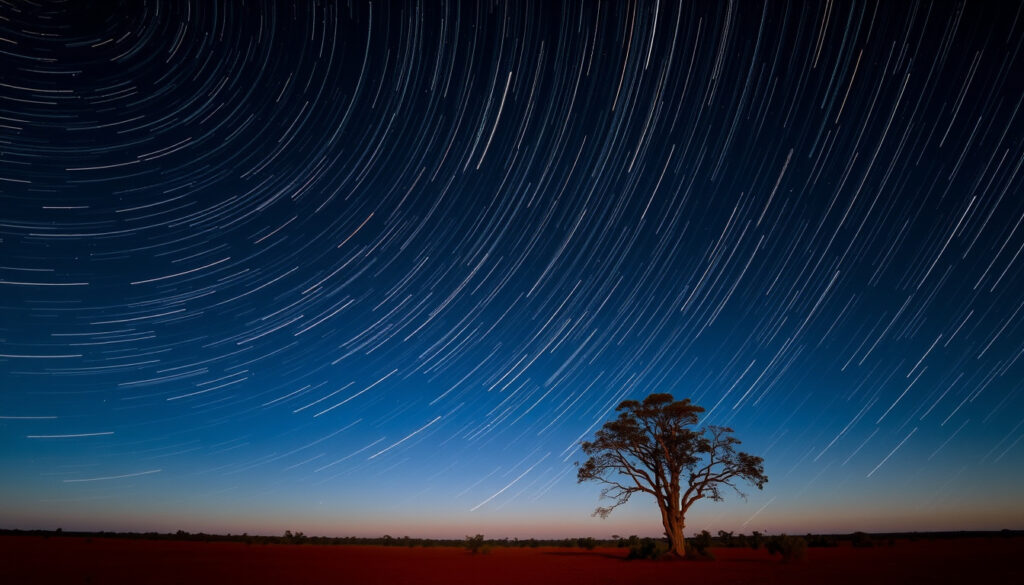
Lyrid Meteor Shower Australia 2026: Best Time, Direction & Viewing Guide
If you’ve been glancing up at the night sky this April, you might have noticed a few extra streaks of light. That’s the Lyrid meteor shower, one of the oldest known meteor showers, and it’s visible from Australia if you know when and where to look. This guide walks you through the peak timing, direction, and practical tips to catch the Lyrids from your backyard or a dark-sky spot.
Peak Date: April 22–23 (2026 & 2027) ·
Meteors Per Hour (Zenithal): Up to 18 ·
Active Period: April 16–25 ·
Best Viewing Window (AEST): After midnight until dawn ·
Radiant Direction: Northeast (near Vega) ·
Visibility in Australia: Yes, but fewer meteors than northern hemisphere
Quick snapshot
- Peak nights: April 22–23 (2026 and 2027) (Space (astronomy news))
- Best hours: 1 am – 5 am AEST (The Planetary Society (space advocacy))
- Active period: April 16–25 (EarthSky (astronomy education))
- Radiant: Constellation Lyra (star Vega) (Space)
- Direction: Northeast sky (EarthSky)
- Scan wide area – meteors appear anywhere (The Planetary Society)
- Find a dark location away from city lights (Space)
- Bring a reclining chair, blanket, warm clothing (The Planetary Society)
- No telescope or binoculars needed (Space)
- Up to 18 meteors per hour under perfect conditions (Space)
- Fewer visible from southern hemisphere (The Planetary Society)
- Meteors can be bright – occasional fireballs (EarthSky)
Six key details about the Lyrids, from peak night to lunar interference, are arranged below.
| Fact | Details |
|---|---|
| Peak Night | April 22–23 (UTC 01:11 on April 23 for 2027) (EarthSky) |
| Meteor Rate (ZHR) | 18 per hour (varies) (Space) |
| Best Viewing Window (AEST) | 12:00 am – 5:00 am (The Planetary Society) |
| Origin | Comet Thatcher (C/1861 G1) (Space) |
| Visibility in Australia | Moderate – radiant rises later, fewer meteors (The Planetary Society) |
| Moon Phase 2026 | Waxing gibbous (sets after midnight, some interference) (Space) |
What is the best time to see the Lyrid meteor shower?
Peak dates for 2026 and 2027
- The Lyrids peak annually around April 22–23. For 2026, the peak falls on the morning of April 22; for 2027, the predicted peak is at 01:11 UTC on April 23 (EarthSky (astronomy educator)).
- Active period runs from April 16 to April 25 (Space (astronomy & space news)).
Best hours after midnight (AEST)
- Meteor showers are generally best viewed between midnight and dawn because Earth is rotating into the debris stream (The Planetary Society (space advocacy group)).
- For Australian observers, the optimal window is roughly 1:00 am to 5:00 am AEST, with the radiant climbing higher after midnight.
Impact of moonlight
- The Moon will be in a waxing gibbous phase during the 2026 Lyrids, but it sets around midnight, leaving dark skies for peak viewing (Space).
- In 2027, the Moon phase is more favourable – a waning crescent that rises later, offering even darker skies.
Australian stargazers get a narrow window after moonset. Missing the 1–3 am sweet spot means competing with moonlight or twilight.
Is the Lyrid meteor shower visible in Australia?
Southern hemisphere perspective
- Yes, the Lyrids are visible from Australia, though the radiant (in Lyra) rises later in the night for southern viewers – around midnight from most of the continent (The Planetary Society).
- The shower favours the northern hemisphere because its radiant is high in the northern sky; from Down Under, the radiant stays lower, reducing the number of meteors seen (Space).
Meteor rates compared to northern hemisphere
- While northern observers might see 15–18 meteors per hour under ideal conditions, Australian viewers typically see 5–10 per hour (The Planetary Society).
- For a stronger southern-hemisphere show, the Eta Aquariids (peak May 5–6, 2026) deliver up to 50 meteors per hour (The Planetary Society).
The implication: the Lyrids are worth a look, but don’t expect a blockbuster. For Australians, the Eta Aquariids later in May are the year’s better bet.
What direction do I look to see the Lyrid meteor shower?
Finding the radiant near Vega
- The radiant point lies in the constellation Lyra, marked by the bright star Vega – the second-brightest star in the southern winter sky (Space).
- From Australia, Vega rises in the northeast after midnight and climbs higher as the night progresses.
Northeastern sky orientation
- Face northeast and look roughly halfway up the sky. Use a stargazing app like SkyView or Stellarium to locate Lyra accurately (EarthSky).
- Don’t stare directly at the radiant – meteors farther from the radiant appear longer and brighter. Scan about 45° away from Vega (The Planetary Society).
Using star maps or apps
- Free apps like Meteor Shower Calendar or Sky Live provide real-time radiant positions and altitude data for your specific location (EarthSky).
- Pro tip: set your phone to night mode (red filter) to preserve dark adaptation.
The catch: even if you face northeast, meteors can streak across any part of the sky. A wide reclining view is better than a fixed narrow gaze.
Where can I watch the meteor shower in Australia?
Best dark-sky sites by state
- New South Wales: Warrumbungle National Park (home to the Siding Spring Observatory) – designated a Dark Sky Park. Also the Blue Mountains (Katoomba area) away from city glow.
- Victoria: Wilsons Promontory National Park or the Grampians (Halls Gap region). For Melbourne suburbs, head to the Yarra Valley or Mornington Peninsula’s back beaches.
- Queensland: Bunya Mountains National Park or Carnarvon Gorge. Brisbane residents can try the Scenic Rim’s dark pockets.
- South Australia: Flinders Ranges (especially around Arkaroola) – one of the darkest mainland sites.
- Western Australia: Stirling Range National Park or outback areas east of Perth.
- Tasmania: Freycinet National Park and Cradle Mountain-Lake St Clair offer pristine southern skies.
Avoiding light pollution in cities
- Aim to be at least 30 km from the nearest city centre. Light pollution maps (e.g., Light Pollution Map) help identify nearby dark zones.
- Even in Sydney, you can try the Royal National Park’s southern beaches or the Hawkesbury River region (Bilpin, Kurrajong).
National parks and observatories
- Many national parks close at dusk – check park-specific night access policies. Some observatories, like the Siding Spring Observatory (NSW), host public viewing events during meteor showers.
- Weather: always check Bureau of Meteorology forecasts and cloud cover (use Yr.no or Windy.com).
What this means: your best Lyrid experience depends as much on local weather and park hours as on sky orientation. A backup plan (e.g., a coastal spot in case of inland cloud) is smart.
How to see the Lyrid meteor shower from Australia this April
Step-by-step viewing plan
- Check the date: Mark the morning of April 22 (2026) or early April 23 (2027) as your prime window (EarthSky).
- Pick your spot: Choose a dark location (see above). Aim to arrive 30–60 minutes before midnight to settle in (Space).
- Set up gear: No telescope needed – just a reclining chair or blanket, warm clothes, snacks, and a red-light flashlight (The Planetary Society).
- Dark adapt your eyes: Turn off lights and phones (or use red mode). It takes 20–30 minutes for night vision to fully adjust (Space).
- Look northeast: Face roughly 45° away from Vega (the radiant). Scan the sky, not one fixed point (The Planetary Society).
- Be patient: Expect 5–10 meteors per hour from Australia. The best show is typically between 1 am and 4 am AEST (SBS News (Australian broadcaster)).
What to bring
- Reclining lawn chair or camping mat
- Warm sleeping bag and extra layers (April nights can be cold even in northern Australia)
- Red flashlight (or red cellophane over a white light)
- Snacks and hot drink – but avoid bright screens that ruin dark adaptation
No equipment needed – just eyes
You really don’t need binoculars or a telescope. The Lyrids are best seen with the naked eye because they streak across a wide area. A pair of 10×50 binoculars can reveal fainter meteors, but they also narrow your field of view (Space). Stick to scanning with your eyes.
Dark adaptation is the single highest-gain preparation. Every minute on your phone before dawn costs you potentially several visible meteors.
Lyrid meteor shower timeline for Australian observers
- April 16 – Lyrid meteor shower active period begins (Space)
- April 22–23 (peak) – Maximum activity expected; best viewing after midnight (EarthSky)
- April 25 – Shower activity declines and ends (Space)
- April 23, 01:11 UTC (2027) – Predicted peak moment (EarthSky)
The pattern: the Lyrid peak is narrow – a day or two – so planning around that specific morning matters more than for broader showers like the Perseids.
Clarity: what we know vs. what’s uncertain
Here’s the confirmed facts and what remains unclear for Australian viewers.
Confirmed facts
- Peak dates: April 22–23 each year (Space)
- Active period: April 16–25 (EarthSky)
- Radiant direction: northeast (near star Vega) (Space)
- No special equipment needed (Space)
- Zenithal hourly rate: 18 (Space)
What’s unclear
- Exact number of meteors per hour (varies by location and conditions) (The Planetary Society)
- Local weather and cloud cover – always check forecasts hours before viewing
- Visibility of fireballs (unpredictable) (EarthSky)
What the experts say
“Meteors are expected every hour between 11pm and 6am (AEST).”
SBS News (Australian broadcaster)
“The predicted peak is 01:11 UTC on April 23.”
EarthSky (astronomy education platform)
“Lyrids are active from April 16–25 and peak on April 22.”
Space.com (space and astronomy news)
Summary: your Lyrid game plan
The Lyrids are a modest but worthwhile meteor shower for Australian observers. Prepare for a few hours under a dark sky after midnight, look northeast, and keep expectations realistic – 5–10 meteors per hour is a good night from Down Under. For Australian stargazers, the key decision is clear: invest in a proper dark-sky site and weather check, or wait for the stronger Eta Aquariids in early May.
For those who enjoy watching the Lyrids, the Perseid meteor shower 2025 offers another spectacular show later in the year.
Frequently asked questions
Do I need binoculars or a telescope to see the Lyrid meteor shower?
No. The Lyrids are best seen with the naked eye because they streak across a wide field of view. Binoculars can reveal fainter meteors but narrow your perspective. (Space)
Can I see the Lyrids from a city like Sydney or Melbourne?
Yes, but light pollution will drastically reduce visibility. Try to get at least 30 km from the city centre – try the Royal National Park for Sydney or the Yarra Valley for Melbourne.
What causes the Lyrid meteor shower?
The Lyrids are debris from Comet Thatcher (C/1861 G1). Earth passes through the comet’s dust trail every April, creating glowing streaks as particles burn up in the atmosphere. (Space)
When is the next meteor shower after the Lyrids in Australia?
The Eta Aquariids peak on the night of May 5–6, 2026. They are a stronger southern-hemisphere shower with up to 50 meteors per hour. (The Planetary Society)
Will the moon affect viewing in 2026?
Yes, the Moon is waxing gibbous (about 80% illuminated) during the 2026 peak, but it sets around midnight, leaving dark skies for the best hours after 1 am. (Space)
How can I photograph the Lyrid meteor shower?
Use a DSLR or mirrorless camera with a wide-angle lens (14–24mm). Set ISO 1600-3200, aperture f/2.8 or wider, and a 15-30 second exposure. Use a remote shutter and take multiple shots – meteors are unpredictable. Apps like Star Walk can help time the radiant’s peak altitude.
What is the difference between a meteor shower and a fireball?
A meteor shower is a regular increase in the number of meteors (shooting stars) from a specific radiant. A fireball is an exceptionally bright meteor, often with a visible tail, caused by larger debris entering the atmosphere. Lyrid fireballs are occasional but unpredictable. (EarthSky)
More related posts
 Shaggy Scooby-Doo: Real Name, Stoner Myth, Facts
 NEM Share Price: Live Quote, Forecast & Analyst Targets
 Wentworth Miller: Autism Diagnosis and Career Timeline
 Ray Ban Sunglasses: Prices, Worth, Durability & Where to Buy in Ireland
 Emily Dickinson: Biography, Poems, and Taylor Swift Link
 Best Pasticho Venezuelan Lasagna Near Me: Recipes and Differences
 Baby Play Mat Guide: Best Options for Crawling and Safety
 Luka Doncic: Bio, Injury, Separation, Career Stats